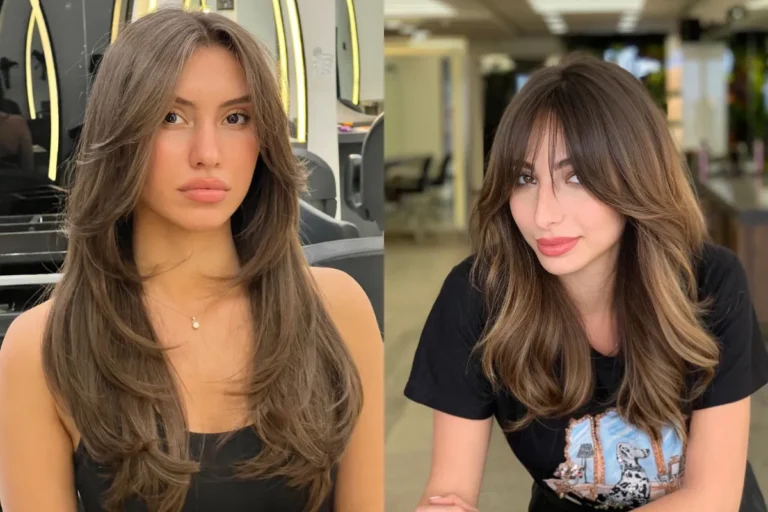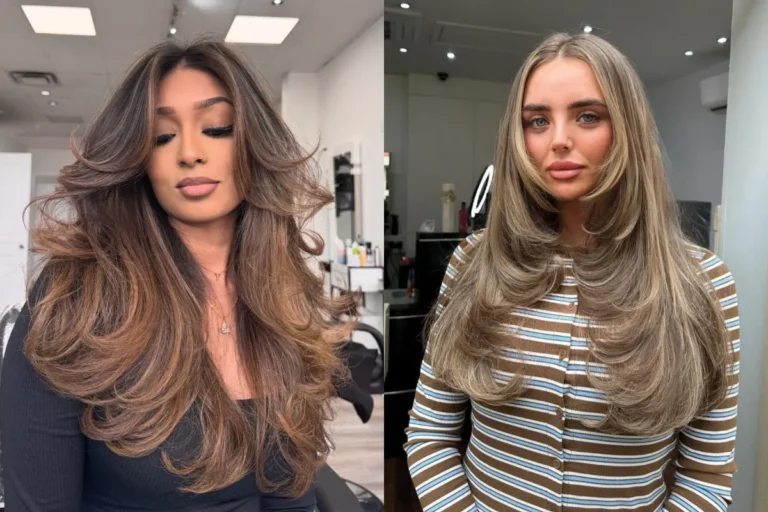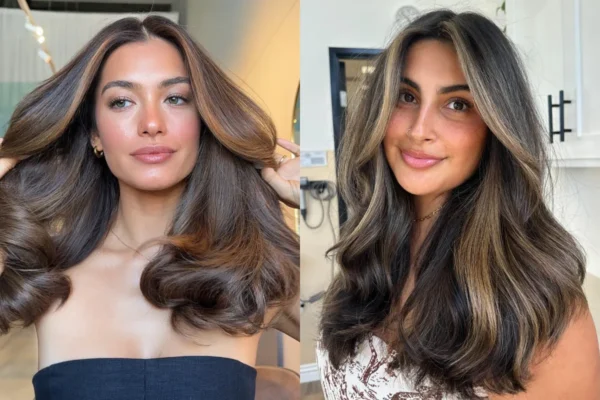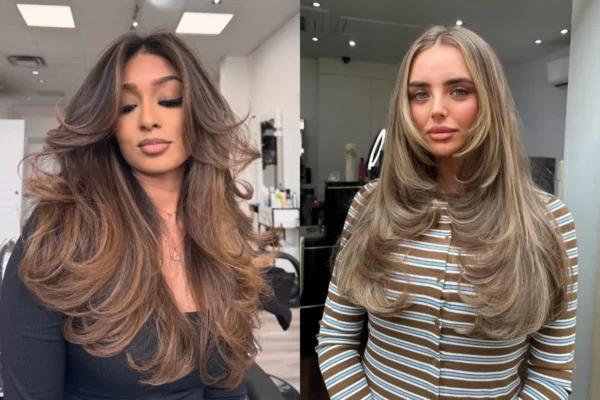


Fine hair has a sneaky habit. It looks great for a few weeks after a cut, then it grows past your shoulders and starts hanging in thin, flat strings.
You didn’t do anything wrong. Extra length pulls fine strands down, and the ends get sparse fast. The usual advice doesn’t help much either. “Add layers” can leave you with even less hair at the bottom. A volumizing spray only goes so far when the cut itself is working against you.
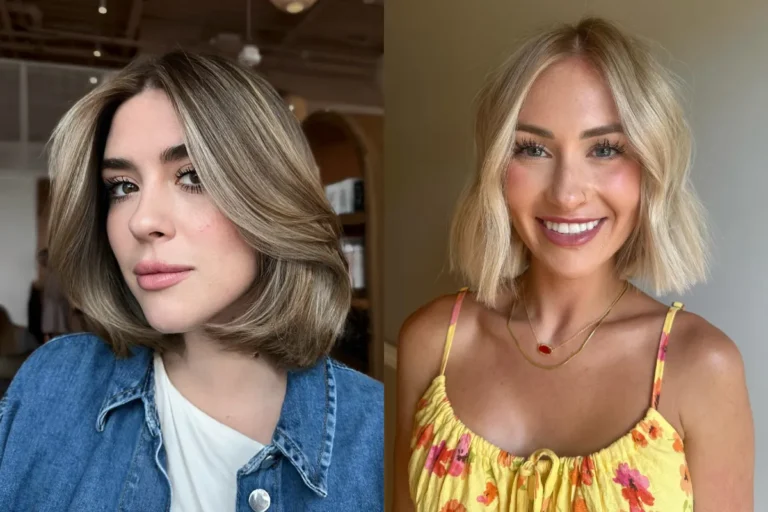
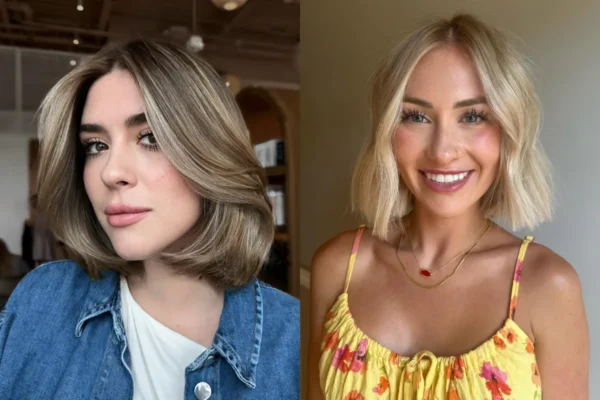
That’s why a lob haircut for fine hair is worth a real look. Stopping somewhere between your chin and collarbone keeps the ends dense, and the right shape, texture, or bangs can do a lot of the lifting for you.
Below are 25 lob ideas picked with fine strands in mind. Each one comes with what to ask your stylist and a simple way to style it at home, most in ten minutes or less. Find the one that fits your mornings, then bring the details to your next appointment.
1. Blunt Lob Haircut for Fine Hair With a One-Length Edge

Look at the very bottom edge of your hair. If it fades out into see-through wisps, those ends make your whole head look thinner.
A blunt lob fixes that with one move. Every strand gets cut to the same line, and that solid edge reads as more hair, even though your hair itself hasn’t changed.
Ask your stylist for:
- One length, landing between the chin and collarbone
- Ends cut straight across, no thinning shears
- A quick check of the line once your hair is dry
At home, blow-dry with a heat protectant and a paddle brush. Skip heavy oils on the ends. They make fine strands clump and separate, which breaks up that clean line.
Hair past the shoulders, ends thinning into wisps you can see through, and the whole shape hanging straight down.
A crisp line near the collarbone, ends that look solid, and hair that swings as one shape when you turn your head.
2. Lob With Curtain Bangs That Lift at the Root

Ask for curtain bangs that start just below the brows and sweep outward, blending into your lob around the cheekbones.
Split, longer bangs suit fine hair better than a heavy fringe. They borrow less hair from the top of your head, so the crown doesn’t end up looking thin.
What to tell your stylist:
- Keep the bang section narrow, about the width of your eyebrows
- Cut them longest at the outer edges
- Leave them a little long, since they spring up as they dry
The drying is where most curtain bangs go wrong. Bangs dried flat stay flat all day, so give them two minutes of attention first.
Dry your bangs first, while the rest of your hair is still damp. Mist them with heat protectant and part them down the middle.
Roll each side back, away from your face, with a small round brush. Use warm air, then a blast of cool air to set the bend.
Split them apart with your fingers and finish with a light hairspray. A heavy one will weigh them back down.
3. Beachy Lob With Flat Iron Bent Waves
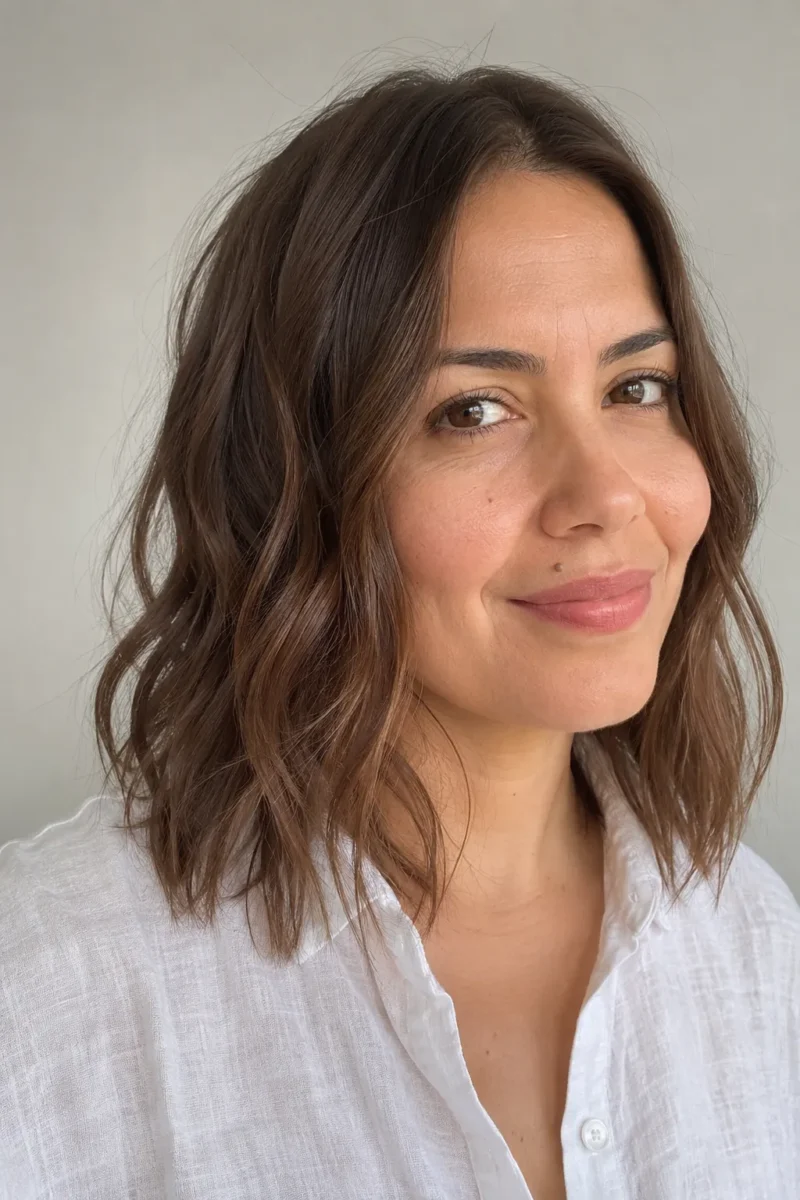
Bent waves give you movement that doesn’t fall out by lunch. Instead of round curls, you make loose S-shaped bends, so there’s less weight dragging them flat.
Prep with heat protectant first. Fine strands heat up fast, so a lower temperature usually does the job.
The basic move:
- Clamp a 1-inch section near the root
- Turn the iron half a turn, glide down a couple of inches, then turn it back the other way
- Leave the last inch straight
That straight end keeps the look relaxed instead of fussy.
Finish with a dry texture spray and shake your hair out with your fingers. Brushing will pull the bends right back out.
4. Subtle A-Line Lob, Slightly Longer in Front
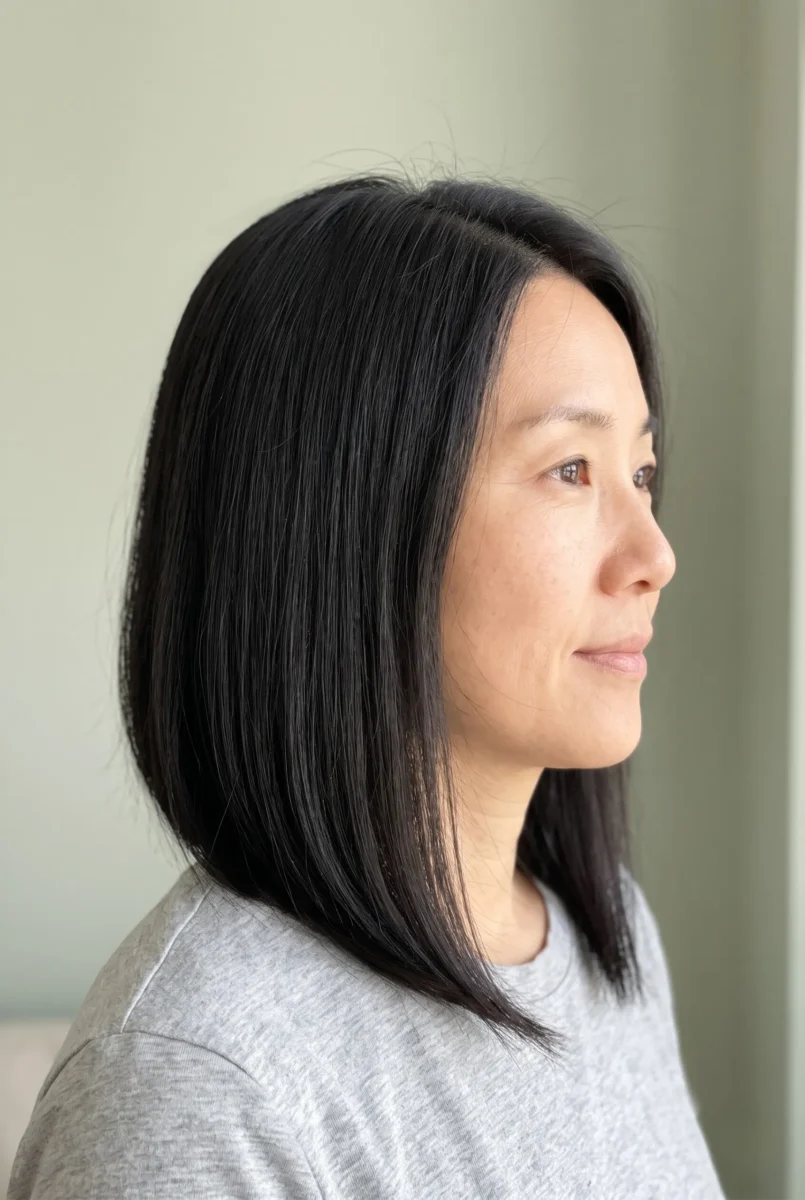
Straight-across lob or A-line? Both can work on fine hair, but they do different jobs.
A straight lob keeps the ends heavy all the way around. An A-line drops a little lower in front, which pulls the eye forward and gives the back a bit of lift.
Keep the angle gentle. A steep one leaves the back short and the front stringy, which is the exact problem you’re trying to escape.
Ask for:
- The back at about chin level
- The front no more than 1 to 2 inches longer
- Blunt ends, not feathered
This shape shows best smoothed or tucked, where the angle has room to be seen.
| Straight Lob | Subtle A-Line | |
|---|---|---|
| Best for | Hair that thins most at the ends | Hair that falls flat at the back |
| Trims | Every 8 to 10 weeks | Every 6 to 8 weeks to keep the angle |
| Styles well | Waves or sleek | Sleek or tucked |
| Watch for | Can look boxy if worn flat | Grows out uneven faster |
5. Switched-Part Lob for Easy Root Lift
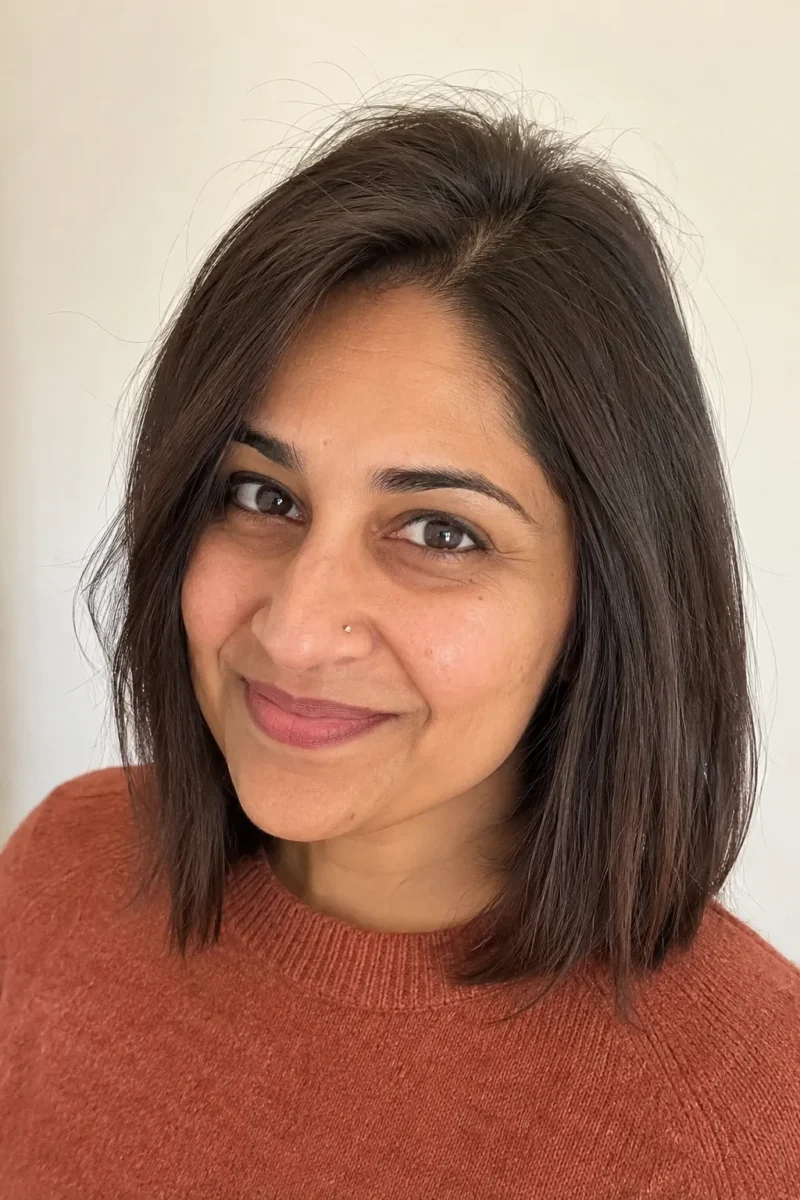
Here’s a simple rule: hair lifts when you push it against the way it usually falls.
After months on the same part, fine hair learns to lie flat along that line. Flip it to the other side and the roots have to stand up a little before they settle.
To make the switch stick:
- Flip the part while your hair is wet
- Blow-dry the roots against the new direction first
- Then smooth everything over to the side you want
It costs nothing and works with the lob you already have. Expect a stubborn cowlick to argue on day one. It usually gives in after a few washes.
Roots pressed flat, a wider strip of scalp showing along the part, and the top looking a bit deflated by afternoon.
Roots with a natural rise, a softer part line, and more height at the crown without teasing or extra product.
6. Shaggy Lob With Light Piecey Layers

Shags have a reputation as a thick-hair cut. That’s only half true.
A heavy, choppy shag can strip too much weight from fine hair and leave it see-through. A light shag on a lob works differently. It keeps most of the length and adds a few shorter pieces near the crown and face, so the top gets lift while the bottom stays full.
Signs you’re getting the light version:
- Most layers start below the cheekbones
- The bottom edge stays fairly blunt
- Your stylist checks the shape once it’s dry
To style it, rough-dry with your fingers, then scrunch a little texture spray into the roots. No brush needed.
💡 Quick Tip
Bring a photo of a shag on hair that looks like yours, not on a model with a thick mane. Then ask your stylist which layers she would leave out for your density. That one question keeps the cut from going too far.
7. Lob With Babylights for Built-In Depth
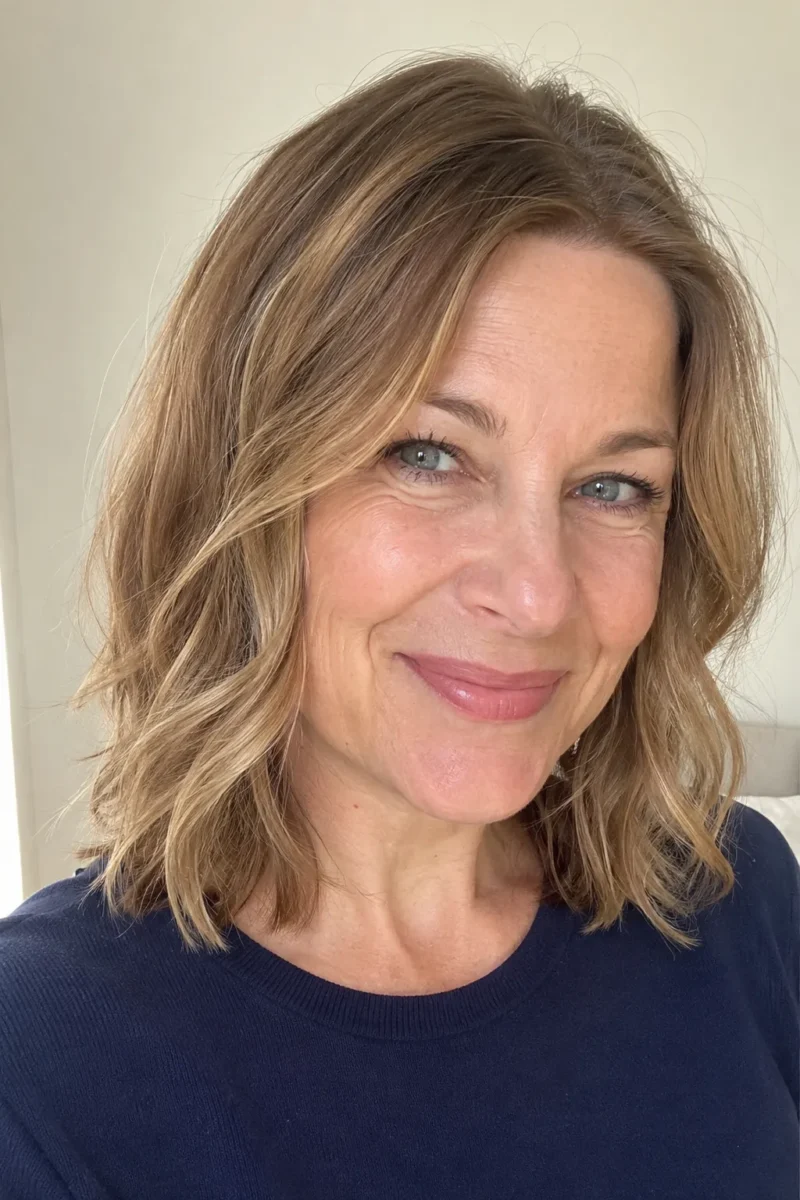
Spend enough time in salon chairs and you start to notice something. Fine hair in one solid shade often looks flatter than it really is, because there’s no light and shadow to show off the shape of the cut.
Babylights are very thin, soft highlights woven close together. On a lob, they catch light along the bends and the ends, which gives the hair a look of depth.
Where they go matters more than how many you get.
Lightening can make fine strands more fragile, so ask about a bond-building treatment and switch to a gentle, color-safe shampoo at home.
8. Lob With Side-Swept Bangs
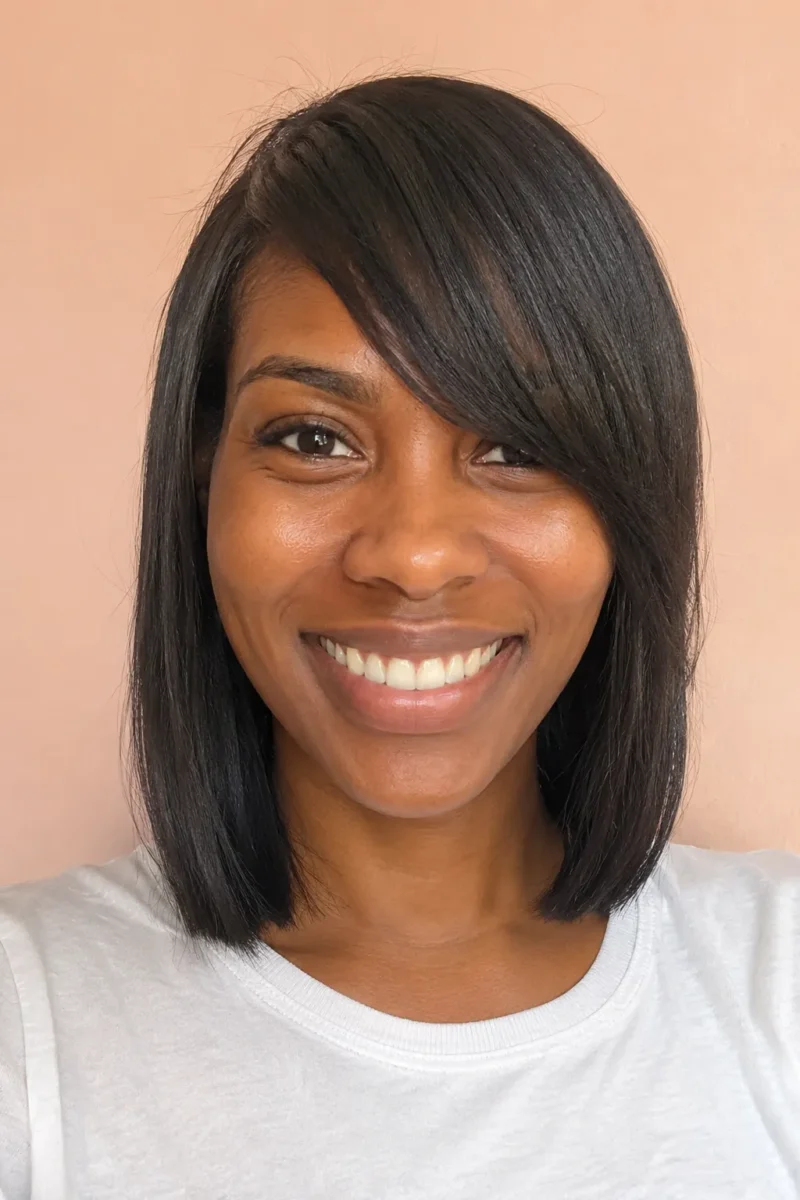
It’s 7:40, you’re halfway out the door, and your bangs have already flopped into your eyes. Side-swept bangs handle mornings like that better. They’re cut long and angled, so even when they fall, they fall to the side.
On fine hair, they also do a nice job of covering a part that tends to look wide.
Ask for:
- Bangs that start near the brow on the short side
- A gradual blend down to cheekbone length
- A soft, angled edge instead of a straight line
They take about three minutes to dry, and most of that is letting them cool in place.
Mist damp bangs with heat protectant. Blow-dry them across your forehead in the opposite direction from how you want them to fall.
Switch directions and dry them toward your chosen side with a flat brush, aiming the air down the hair, not straight at the roots.
Clip them in place with a flat clip while you finish getting ready. Once they cool, unclip and loosen with your fingers.
9. Long Bob With Invisible Internal Layers
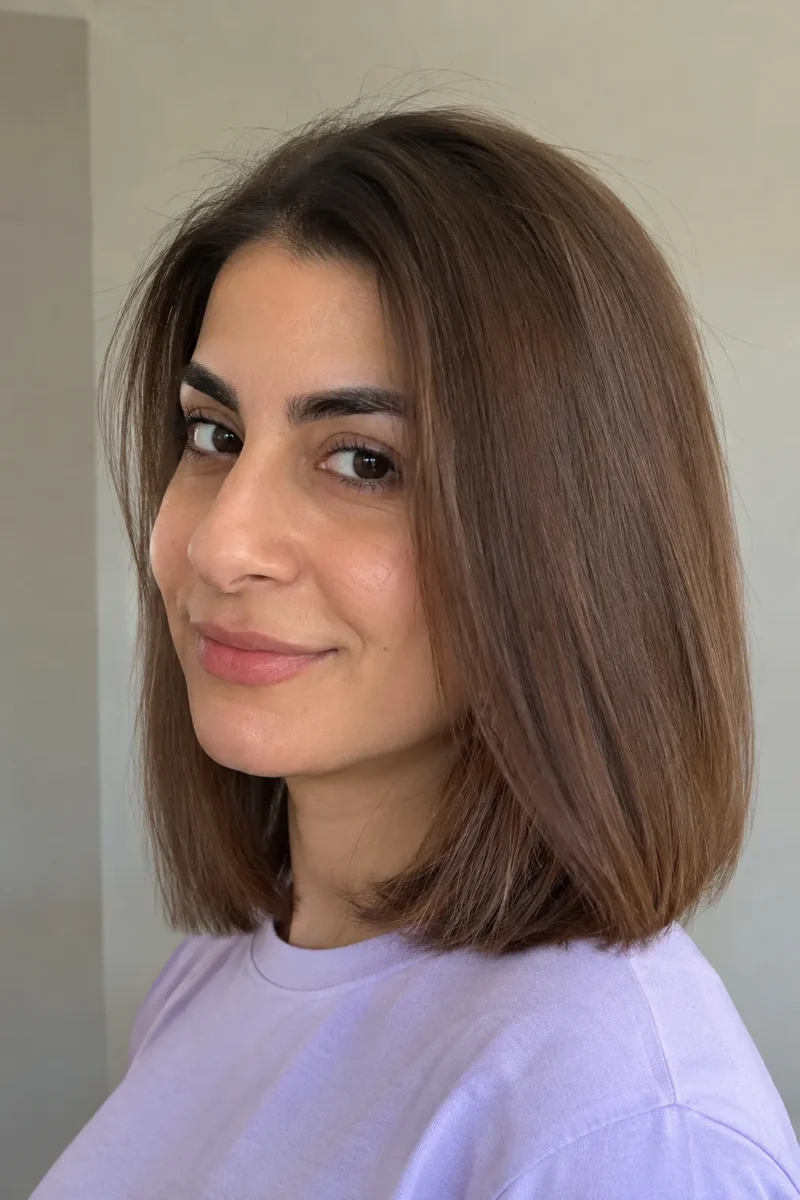
The most common mistake is asking for “layers” and getting the kind you can see. On fine hair, visible layers remove weight from the bottom, and the ends go thin.
Internal layers, also called hidden or invisible layers, sit underneath the top section of hair. The outer edge stays blunt, while the shorter pieces underneath push the top up from below.
You get movement without a stringy edge.
This cut suits hair that falls flat at the crown but still looks decent at the ends. If your hair feels sparse all over, a plain blunt lob usually keeps more weight where you want it.
“Can you cut the layers under the top section so they don’t show?”
“Please keep the outside edge one length.”
Asking for “lots of layers” without saying where they go.
Letting thinning shears or a razor near your ends.
10. Sleek Lob With Softly Bent Ends

Pin-straight hair can look flat on fine strands, mostly because the ends hang stiff and lifeless. A small bend at the bottom fixes most of that.
After blow-drying smooth, run a flat iron down each section and turn your wrist slightly under for the last two inches. You want a gentle curve, not a flip.
Keep the products light:
- A pea-size smoothing cream on the ends only
- Heat protectant on every section before the iron
- One drop of light serum, warmed in your palms, to finish
Keep the roots product-free. They’ll stay lifted longer and won’t look greasy by dinner.
⚠️ Watch Out
Fine hair heats up fast. Use a lower iron setting and pass over each section once. Going over the same piece again and again is what leaves ends dry, frizzy, and harder to keep sleek.
11. Deep Side Part Lob
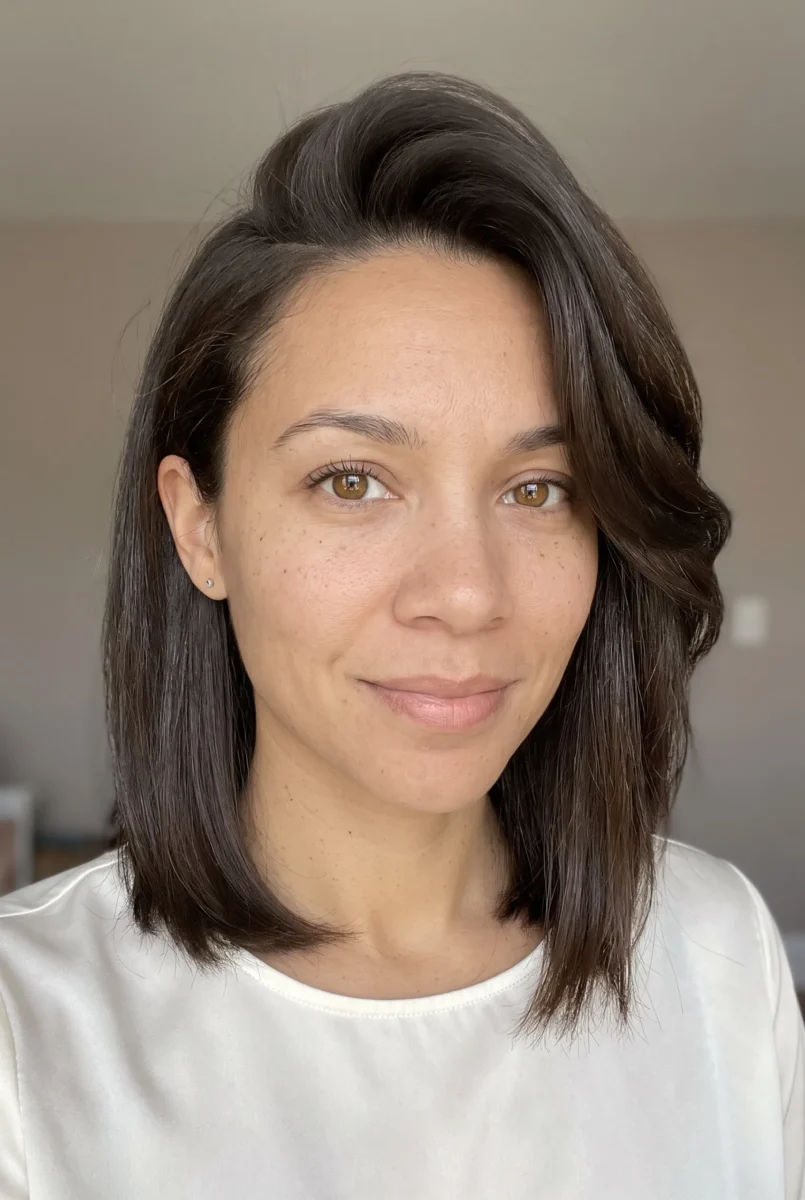
The payoff here is height at the crown, with no extra product. A deep side part moves a big section of hair across the top of your head, and that hair stacks up as it crosses over.
Line the part up with the arch of your eyebrow, or slightly past it. The hair that sweeps over builds a soft wave near the temple on its own.
Make it last all day:
- Set the part with a comb while your hair is wet
- Blow-dry the heavier side up and over
- Tuck the lighter side behind your ear for balance
Same lob, dressier look. It’s a handy switch for work days or dinners out.
The deeper the part, the more hair crosses the top of your head. Start at your brow arch and nudge it outward until the crown looks lifted in the mirror.
12. Lob With Loose Curling Wand Waves

Prep with heat protectant, grab a 1 to 1.25 inch curling wand, and wrap 1-inch sections away from your face. Leave the last inch out and hold for a few seconds.
Wand waves come out rounder and softer than flat iron bends. They suit a blunt lob nicely, since the wave sits mid-length while the ends stay straight and dense.
Switch the wrap direction on the back sections so the waves don’t merge into one big curl.
Let every section cool before you touch it. Then rake through with your fingers and stop there. Brushing turns soft waves into fluff on fine hair.
What to have on the counter
13. Gently Stacked Lob With a Lifted Back

Look at a stacked lob from the side and you’ll see a soft curve at the back of the head. Short, graduated layers at the nape build up toward the crown, while the front falls between the chin and collarbone.
That stacking works like a little shelf. It holds the top hair up, so the back of your head doesn’t look flat in photos.
Ask for:
- Light stacking, not a sharp inverted bob
- Soft graduation at the nape so it grows out gently
- Front pieces kept long and blunt
Style the back with heat protectant and a round brush, lifting at the crown as you dry.
14. Lob With Wispy Bottleneck Bangs
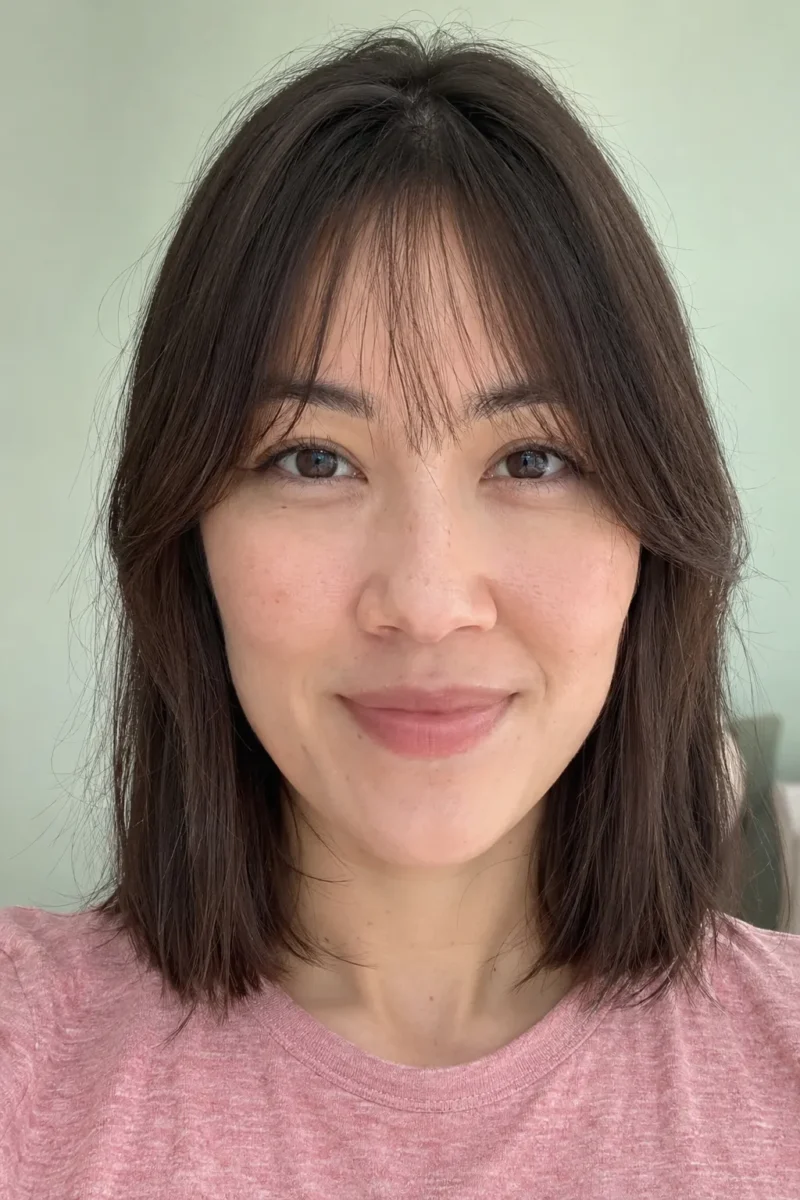
Bottleneck bangs or curtain bangs? They look alike at first glance, but they’re shaped differently.
Bottleneck bangs are shorter and narrower in the center, then curve out along the cheekbones, a bit like the neck of a bottle. That narrow top means they use very little hair, which matters when you don’t have much to spare at the hairline.
Ask your stylist to:
- Keep the center section thin and wispy
- Cut the middle just at or below the brows
- Blend the sides into your lob at cheekbone level
They’re forgiving to grow out, too. In a couple of months they slide right into face-framing pieces.
| Bottleneck Bangs | Curtain Bangs | |
|---|---|---|
| Center | Short, near the brows | Longer, split open |
| Hair used | Very little | A bit more |
| Daily styling | Quick dry, fingers only | Round brush for the swoop |
| Bang trims | Every 3 to 4 weeks | Every 4 to 6 weeks |
15. Air-Dry Lob With a Natural Bend

People often say fine hair can’t air-dry without going limp. With a lob and a little prep, it can look better than a rushed blowout.
At this length, your hair dries before the roots have much time to sag. And skipping daily heat is easier on fragile strands.
Squeeze out the water with an old T-shirt instead of rubbing with a towel. Rake in one light product, set your part, then leave it alone.
Hands off until it’s fully dry. Touching damp fine hair is where frizz starts.
16. Asymmetrical Lob With One Longer Side

There’s a funny thing about uneven haircuts on fine hair. They hide bad hair days, because the off-center line already looks styled before you do anything.
One side falls near the chin, and the other drops a little lower toward the collarbone. The longer side gives you a solid curtain of hair to show off, while the shorter side stays light and swingy.
Ask for:
- A difference of 1 to 2 inches, not a dramatic slant
- The longer side on your part side
- Blunt ends on both sides
Wear it smooth to show off the line. Messy waves tend to blur it.
📌 Good To Know
An uneven cut shows growth sooner than a straight one. Book trims every 6 to 8 weeks, or the short side can start to look like an accident instead of a choice.
17. 90s Blowout Lob With Round Brush Bounce

You’ve probably seen the look in old family photos. Big, bouncy hair with ends turned under, swinging every time someone laughs. On a lob, that bounce has less length pulling it down, so it holds better on fine hair.
Spray heat protectant on damp hair and rough-dry until it’s mostly dry. Then work in sections with a large round brush, lifting each one up and away from your head. Aim the dryer down the brush, roll it in toward the roots, and finish with cool air.
Two tricks that help:
- A bigger brush gives a bigger, softer bend
- Velcro rollers at the crown while you do makeup keep the lift longer
The first few tries may look puffy. That’s normal.
Air blasted at the roots from every angle. Hair dries flat on top, puffy at the sides, and the ends hang straight.
Sections lifted and dried with the airflow pointing down. The crown sits higher, the cuticle lies smooth, and the ends curve under.
18. Lob With a Zigzag Part
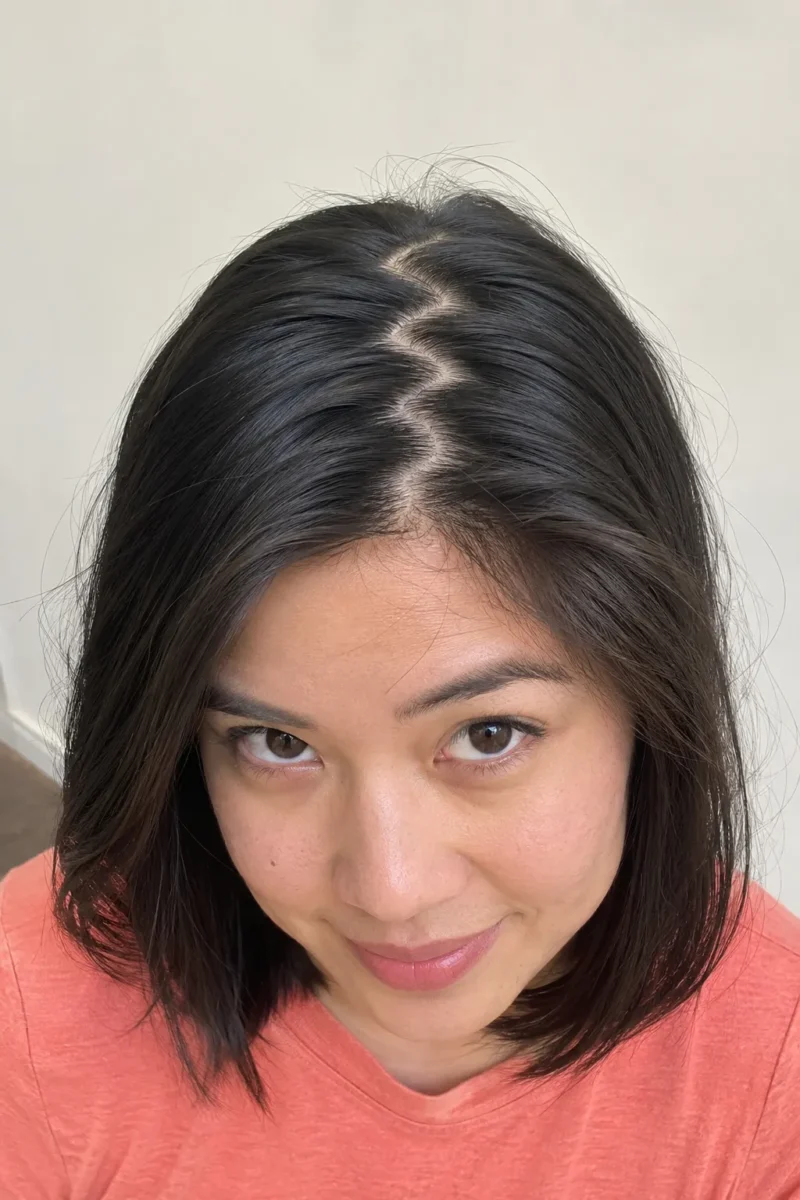
A straight line shows scalp. A broken line hides it.
That’s the whole idea behind a zigzag part. Instead of one clean line, the hair overlaps along a soft zigzag, so no strip of skin peeks through. It also props up the roots on both sides.
Keep it subtle. Small, loose zigs look natural, while sharp, tight ones look like a throwback to middle school.
It works best on dry or almost-dry hair, so it’s a good trick for second-day hair when the part starts looking wide.
Set the tip of a tail comb at your hairline and draw it back about an inch at a slight angle.
Switch the angle and draw another inch the other way. Keep going until you reach the crown.
Let each side fall, ruffle the roots with your fingertips, and mist with a light hairspray to hold the lift.
19. Lob With Long Face-Framing Pieces

Plenty of people ask for face-framing layers and leave with short, thin pieces poking out at the jaw. On fine hair, that takes a big bite out of the front, which is the part everyone sees first.
Keep them long. The shortest piece should land around the cheekbone or chin, then blend down into the rest of the lob.
They’re cut from the front section only, so the back keeps its full, even edge.
To style them, mist with heat protectant and use a round brush to bend each piece away from your face as it dries. Two minutes, tops.
Start the shortest piece at the cheekbone or lower.
Limit the layers to the hair in front of your ears.
Letting the first piece start at lip level or higher.
Carrying the layers all the way around to the back.
20. Lob With Brow-Skimming Blunt Bangs
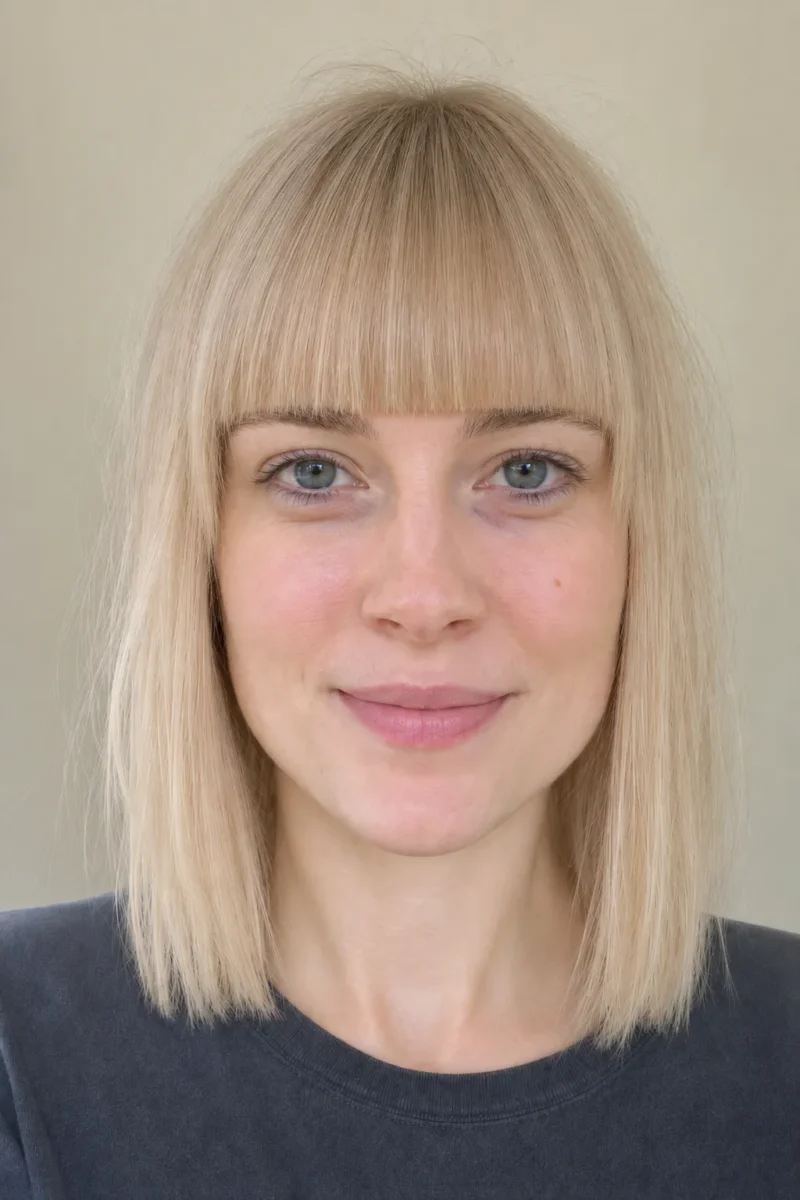
Wispy bangs on fine hair can look like they’re barely there. Brow-skimming blunt bangs fix that by putting a solid line right where people look.
There is a trade-off. Because they’re cut straight and fairly full, they borrow more hair from the top of your head. If your crown is already sparse, side-swept or bottleneck bangs may be the better pick.
Dry them with heat protectant and a flat brush, moving the brush side to side across the bangs as you go. That stops them from splitting down the middle.
A puff of dry shampoo on your bangs at night keeps forehead oil from separating them by noon.
Check these before you commit
21. Choppy Textured Lob With Point-Cut Ends

Up close, the ends of a choppy lob look softly uneven, like tiny notches instead of a ruler-straight edge. That texture comes from point cutting, where the stylist snips into the ends with the tips of the scissors.
On fine hair, depth is everything. Shallow point cutting softens the edge and gives it movement. Deep notches remove too much hair, and you’re back to thin, see-through ends.
Ask for:
- Point cutting on the ends only
- Shallow texture, not deep chunks
- No added layers through the lengths
Rough-dry, then twist a few random pieces around your finger with a dab of texture paste.
Texture belongs at the very tips. Keep the snips shallow and the hair above them untouched, so the edge softens while the lob still looks full.
22. Tucked-Behind-One-Ear Lob

Tuck one side behind your ear and leave the other side loose. That’s the whole style, and it changes how your lob looks in about two seconds.
On fine hair, it pulls double duty. The tucked side clears your face, and the loose side gets all the attention, so it reads as fuller next to it.
Leave down the side that naturally has more hair.
It’s also a smart save for day three, when one side has gone flatter than the other.
- ▸Slide one bobby pin behind your ear, hidden under the hair, so the tuck doesn’t slip.
- ▸Pair it with a deep side part on the loose side for extra height.
- ▸Add small hoops or studs, since the tucked ear is now on display.
- ▸Wave only the loose side for a relaxed, lopsided look that takes half the time.
23. Short Chin-Grazing Lob
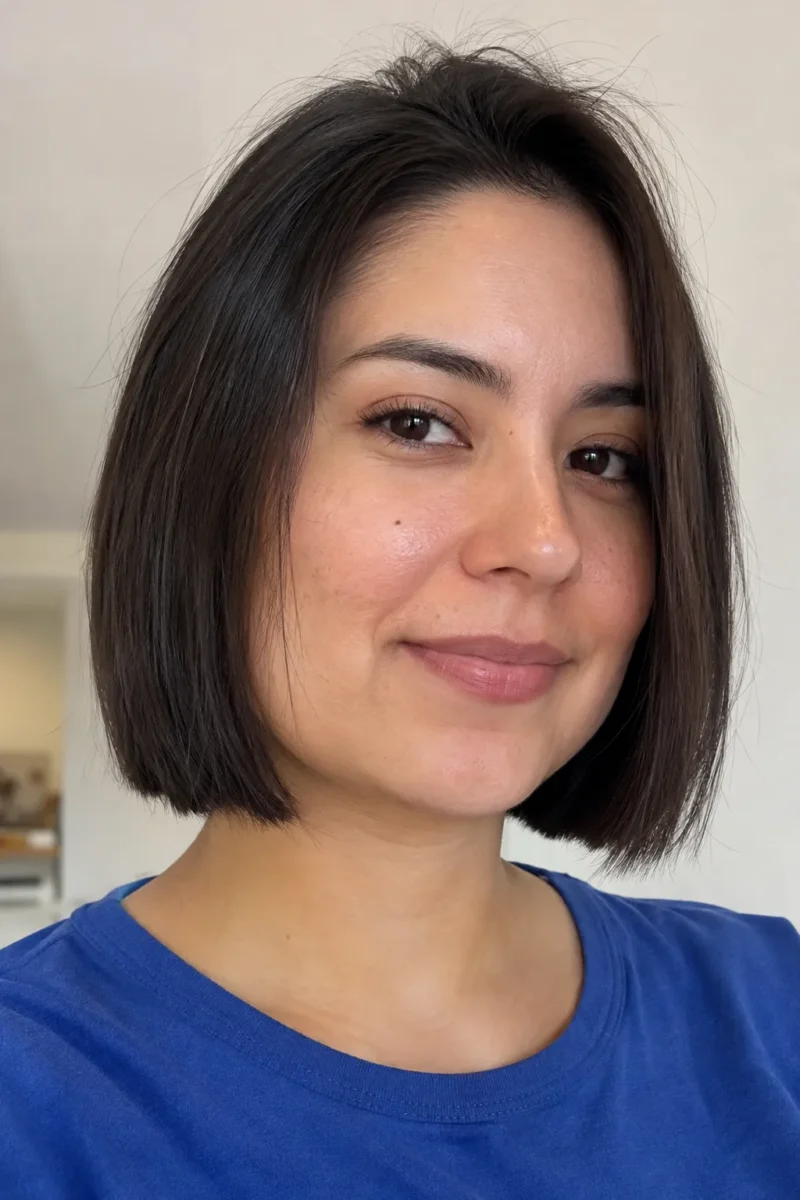
Less length means less weight hanging off your roots. A lob that grazes the chin sits at the shortest end of the lob range, so fine hair gets the most natural lift you’ll find at this length.
Every strand also stays close to the cut line, which keeps the ends looking dense.
Ask for:
- The front at chin level, the back a touch shorter
- A blunt line all the way around
- A dry check, since fine hair can spring up shorter once it dries
Nervous about going short? Start just below the chin. You can always take more off next time.
24. Flipped-Out Lob With a Retro Flick

Ends turned under or flipped out? Turned under looks polished. Flipped out looks playful, and on fine hair it pulls the eye outward, so the whole shape looks wider.
Aim for a soft flick, not a stiff, sprayed-in curl.
It’s a good fit if:
- Your lob sits near the collarbone and already flips on its own
- You want a new look without a new cut
- You have a blunt edge, which gives the flick a clean line
Lob hair that bumps your shoulders tends to flip out anyway. This just makes it look on purpose.
Apply heat protectant and blow-dry smooth with a paddle brush, keeping the roots lifted.
Clamp a flat iron about two inches from the ends, then turn your wrist outward as you glide off. Do every section the same way.
Mist with a flexible hairspray, then shake the ends loose with your fingers so the flick moves.
25. Collarbone Lob With Beveled Ends

After watching plenty of lobs grow out, one shape keeps standing out. The collarbone cut with beveled ends tends to hold its look the longest.
Beveling means the ends are cut to curve gently under, like the rim of a bowl. Fine hair at this length often hangs flat or flips at the shoulders. A bevel nudges it to curve inward instead.
Ask for collarbone length, a blunt perimeter, and a light bevel at the ends.
At home, blow-dry with heat protectant and a paddle brush, rolling the ends under as you finish each section.
Of every lob on this list, this is the easiest one to grow into or out of.
Conclusion
Fine hair doesn’t need a pile of products or a complicated routine. It needs a length that keeps the ends dense and a shape that gives the top somewhere to go. That’s what makes a lob haircut for fine hair such a reliable choice.
Start with the idea that matches how much time you really spend on your hair. If you only have time to blow-dry, a blunt or beveled cut is a safe bet. If you like to play, add bangs, switch your part, or try a few waves.
Bring a photo of the lob you like on hair that looks like yours, and ask your stylist to check the shape dry before you leave.
Save this list to your hair board so it’s ready for your next appointment.
Bring these to your next appointment